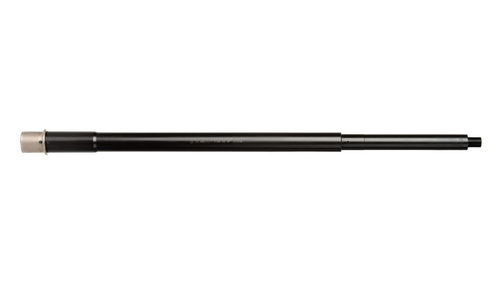
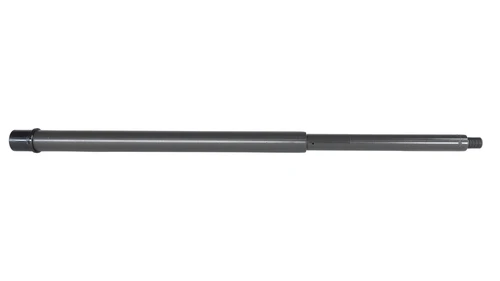
AR Barrels for AR-15 and AR-10 Platforms
The barrel is one of the primary components that determines the chambering and physical configuration of an AR upper. Ballistic Barn carries AR barrels for both AR-15 and large-frame AR platforms, with options spanning multiple calibers, lengths, profiles, materials, twist rates and gas-system configurations.
Because AR-15 and AR-10 barrels are designed around different platforms and cartridge families, the term AR barrel describes a broad product category rather than a universally interchangeable component. Always review the individual barrel's platform, chambering and specifications when comparing options.
AR-15 Barrels vs. AR-10 Barrels
AR-15 and AR-10 barrels serve the same basic role within their respective platforms, but they are designed around different receiver systems and cartridge families. Identifying the intended platform is therefore one of the first considerations when shopping for an AR barrel.
AR Barrel Specifications and Terminology
AR barrel listings contain several specifications that identify the barrel's configuration. Understanding these terms makes it easier to compare barrels across calibers and platforms.
Chambering
Identifies the cartridge or cartridges for which the barrel chamber is designed. Always verify the chambering listed for the individual barrel.
Barrel Length
The stated length of the barrel. Different lengths are available across the AR-15 and AR-10 platforms depending on caliber and configuration.
Barrel Profile
Describes the external contour and distribution of barrel material. Profiles can range from lighter configurations to heavier HBAR, bull and other specialized contours.
Twist Rate
Describes the rate at which the rifling rotates within the bore. Twist rates vary by caliber and barrel configuration, so compare the listed specification with the ammunition requirements for the intended application.
Gas-System Length
Identifies the gas-system configuration associated with the barrel. Common descriptions include pistol, carbine, mid-length and rifle length, depending on the barrel and platform.
Gas-Block Diameter
Identifies the outside barrel diameter at the gas-block journal. This specification varies among barrel profiles and should be matched with compatible components.
Muzzle Threads
Identify the thread specification at the muzzle on a threaded barrel. Thread dimensions vary by caliber and barrel configuration.
Barrel Material
AR barrels are produced from different barrel steels and stainless alloys. The exact material used is identified in the individual product specifications.
Choosing AR Barrels by Caliber
Chambering is one of the primary ways AR barrels differ. The AR platform supports a wide variety of cartridges, but available calibers depend on whether the barrel is designed for an AR-15 or a compatible large-frame platform.
5.56 NATO and 223 Wylde Barrels
5.56 NATO and 223 Wylde are widely used AR-15 barrel chamberings with numerous barrel lengths, profiles and twist-rate configurations available.
300 Blackout Barrels
300 Blackout is an AR-15-compatible chambering available in multiple barrel lengths and configurations, including barrels intended for compact and suppressor-oriented applications. If you are shopping for a complete assembled configuration rather than an individual barrel, see our
300 Blackout Uppers.
Hunting and Specialty AR-15 Barrels
The AR-15 platform also supports numerous hunting, varmint and specialty chamberings. Barrel length, profile and twist rate vary according to the cartridge and individual barrel.
308 Winchester Barrels
308 Winchester is one of the most established large-frame AR chamberings and is available in barrel configurations suited to a variety of general-purpose, hunting and precision-oriented applications.
6.5 Creedmoor Barrels
6.5 Creedmoor is a popular large-frame chambering frequently selected for precision and extended-range applications. Available barrel specifications vary by model.
Other Large-Frame AR Barrels
Large-frame AR platforms support additional chamberings beyond 308 Winchester and 6.5 Creedmoor. Review each barrel's chambering, platform and compatibility information before selecting components.
AR Barrel Length and Profile
Barrel length and profile are two of the most visible differences between AR barrels. They affect the dimensions and weight of the barrel and are important specifications when comparing products for a particular application.
Barrel Length
AR barrels are available in a broad range of lengths. The appropriate choice depends on the caliber, intended application, overall configuration and applicable legal requirements. Compare the individual barrel specifications rather than assuming one length is appropriate for every cartridge.
Barrel Profile
Barrel profile describes the external contour of the barrel. Lighter profiles reduce barrel weight, while HBAR, bull and other heavier profiles use more material. Available profiles vary by caliber and manufacturer.
Fluted and Specialized Profiles
Some barrels use fluting or other specialized exterior profiles. These features alter the barrel's external geometry and weight while giving the barrel a distinct configuration. Check the individual listing for exact profile details.
AR Barrel Materials and Finishes
Barrel material and surface treatment vary across AR barrel configurations. Rather than assuming all barrels use the same construction or finish, review the specifications of the individual product.
Stainless Steel Barrels
Stainless steel is commonly used in AR barrels intended for hunting, varmint and precision-oriented configurations. Stainless alloys and exterior finishes vary by product.
Chrome Moly Steel Barrels
Chrome moly steels are widely used for AR barrels across many calibers and configurations. The exact steel and surface treatment should be confirmed in the individual product specifications.
Nitride-Treated Barrels
Some AR barrels use a nitride or QPQ-type treatment. These barrels may be offered in numerous lengths, profiles and chamberings depending on the product.
Other Barrel Finishes
Exterior treatments and finishes vary among barrel manufacturers and models. Refer to the individual listing for the material, treatment and finish of the barrel being considered.
Understanding AR Barrel Twist Rates
Twist rate describes how quickly the rifling rotates inside the barrel and is typically expressed as a ratio such as 1:7, 1:8 or another caliber-specific value. There is no single twist rate that applies to every AR barrel because appropriate specifications vary with chambering, projectile characteristics and intended use.
When comparing barrels, review the listed twist rate alongside the caliber and the ammunition specifications relevant to your intended application. Ballistic Barn lists the applicable twist rate in the specifications for each barrel.
AR Barrel Gas-System Specifications
Gas-system specifications vary across AR barrels. Depending on the platform, caliber and barrel configuration, a barrel may be designed around a pistol, carbine, mid-length, rifle-length or other application-specific gas-system configuration.
Gas-block journal diameter is another important specification. Common journal sizes vary according to barrel profile and platform, so the gas-block diameter listed for the individual barrel should be checked when selecting related components.
AR-15 and AR-10 Barrel Compatibility
Not every AR barrel is compatible with every AR receiver or platform. AR-15 and large-frame AR systems use different cartridge families and component specifications, and large-frame platforms can also vary among receiver and component patterns. When comparing a barrel with a receiver component, browse our
AR Upper Receivers
to compare the applicable platform and receiver specifications.
Handguard dimensions and other surrounding components can also vary with the upper configuration. Our
AR Handguards
category includes both AR-15 and compatible large-frame handguards and rail systems.
When comparing barrels, verify the listed platform, chambering and relevant component specifications. Large-frame AR configurations deserve particular attention because AR-10, LR-308, DPMS-pattern and other large-frame systems are not governed by one universally interchangeable component standard.
Check the Individual Barrel Specifications
Each barrel listing identifies its chambering and applicable specifications. Confirm that the barrel and related components are intended for the same platform and configuration before making a selection.
Shop AR Barrels and Related Components
Ballistic Barn carries individual AR barrels for both small-frame and large-frame platforms. You can also browse
AR Upper Receivers
and
AR Handguards
when comparing related upper components. If you are looking for an assembled upper rather than individual components, shop
AR-15 Uppers
or
AR-10 Uppers.
AR Barrel FAQs
What is an AR barrel?
An AR barrel is a barrel designed for a compatible AR-pattern platform. The broad category includes both AR-15 barrels and barrels for large-frame platforms such as AR-10 and 308-pattern systems.
Are AR-15 and AR-10 barrels the same?
No. AR-15 and AR-10 barrels are designed around different platform and cartridge requirements. The intended platform, chambering and individual barrel specifications should be confirmed before selecting a barrel.
What calibers are available for AR barrels?
AR barrels are available for many chamberings. Common AR-15 options include 5.56 NATO, 223 Wylde and 300 Blackout, while large-frame options include 308 Winchester, 6.5 Creedmoor and other compatible cartridges. Available chamberings vary with current inventory.
What does AR barrel twist rate mean?
Twist rate describes the rate at which the rifling rotates inside the barrel. The appropriate twist rate depends on factors including caliber and ammunition, so the listed barrel specification should be compared with the intended application.
What is an AR barrel profile?
Barrel profile describes the external contour and distribution of material along the barrel. AR barrels are available in lighter profiles as well as HBAR, bull and other specialized contours.
What materials are AR barrels made from?
AR barrels are manufactured from several types of barrel steel and stainless alloys. Materials, treatments and finishes vary by manufacturer and product, so check the individual listing for the exact specification.
What gas-system lengths are used with AR barrels?
AR barrels may be configured for pistol, carbine, mid-length, rifle-length or other gas-system arrangements depending on the caliber, platform and barrel configuration. The applicable gas-system specification is listed with the individual barrel.
Can the same barrel be used for an AR-15 and AR-10?
AR-15 and large-frame AR barrels should not be treated as universally interchangeable. Select a barrel identified for the appropriate platform and verify the chambering and related component specifications.
Why do AR-10 barrel specifications require extra attention?
Large-frame AR platforms can use different receiver and component patterns. Terms such as AR-10, LR-308 and DPMS-pattern do not by themselves establish universal interchangeability, so the specifications of the barrel and related components should be reviewed together.